E-Waste Recycling for Waste Generators
This page is for households, offices, and institutions that need Recytronics to collect and recycle end-of-life electronics — pickup, logistics, and authorised recycling. Producers seeking EPR registration or recycling targets should use the Recytronics e-waste EPR page instead.
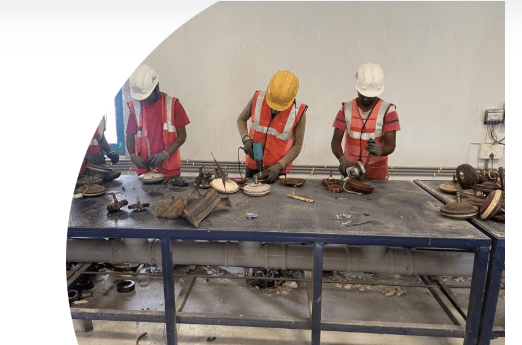
Formal e-waste recycling for homes and organisations
Why organisations choose Recytronics for e-waste recycling
Recytronics provides authorised e-waste recycling and electronics disposal for households and organisations in India, with collection options, transparent reporting, and pathways aligned to EPR and sustainability goals. Recytronics routes end-of-life devices into formal recycling so materials can be recovered instead of dumped or burned informally.
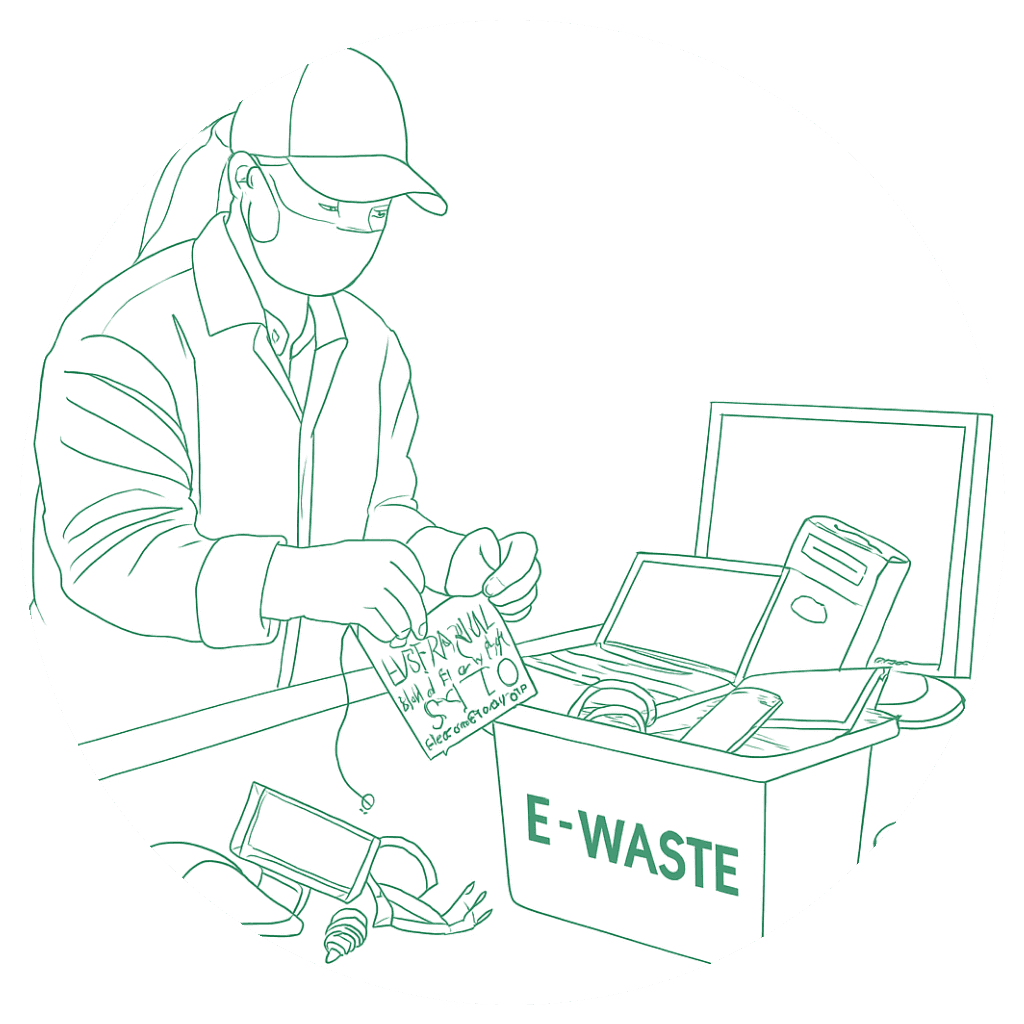
Certified Compliance
Fully CPCB-authorized processing facilities and adherence to India's E-Waste Management Rules.
Nationwide Collection
Pan-India collection network ensuring safe transportation from urban to rural locations.
Environmentally Safe Processing
All e-waste dismantled and recycled with zero landfill commitment.
Transparent Reporting
Complete digital tracking, data-backed impact reports, and compliance certificates.
Community Engagement
Driving awareness programs and collection drives in schools, corporates, and communities.
Circular Economy Focus
Maximizing material recovery to reduce mining and conserve natural resources.
How Recytronics recycles e-waste step by step
Recytronics recycles e-waste through a six-step process: collection and pickup, secure storage, manual sorting, shredding, material separation, and final processing for reuse in manufacturing.
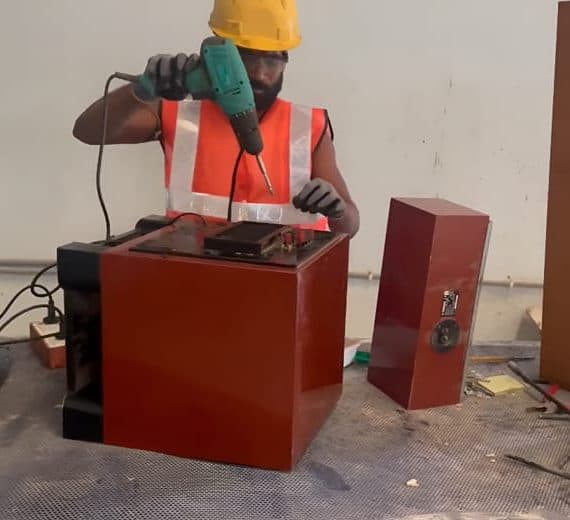
Collection & Pickup
Convenient e-waste collection from offices, residences, institutions, and retail points.
Secure Storage
Safe holding at certified centers to manage hazardous components.
Manual Sorting
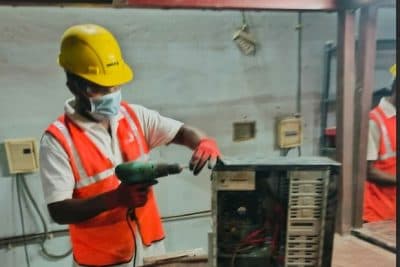
Dismantling to segregate reusable parts from hazardous materials.
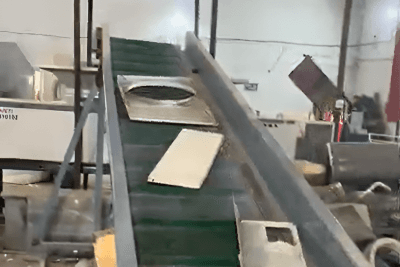
Shredding
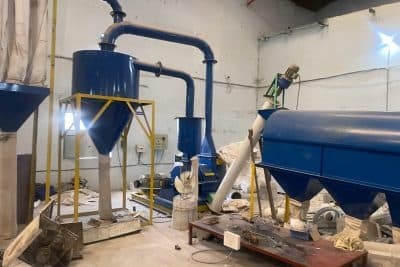
Mechanical reduction of materials into reusable fractions.
Material Separation
Advanced techniques for metal, plastic, and glass recovery.
Final Processing
Refining and preparation for raw material reuse in manufacturing.
Hazardous materials in discarded electronics
Toxic substances commonly found in e-waste
E-waste can contain lead, mercury, cadmium, arsenic, brominated flame retardants, dioxins and furans, PCBs, and nickel. Formal recycling reduces exposure risk compared with informal dumping or open burning.
| Substance | Symbol | Common sources in electronics | Effects |
|---|---|---|---|
| Lead | Pb | CRT monitors, batteries, solder. | Neurotoxic, affects brain development, especially in children. |
| Mercury | Hg | Fluorescent lamps, LCD screens. | Damages kidneys, nervous system; bioaccumulates in marine life. |
| Cadmium | Cd | Batteries, semiconductors. | Carcinogenic; causes kidney damage and bone fragility. |
| Arsenic | As | Older semiconductors. | Toxic to skin, lungs, and cardiovascular system. |
| Brominated Flame Retardants | BFRs | Plastic casings, circuit boards. | Disrupt endocrine system; persistent organic pollutants. |
| Dioxins and Furans | — | Released during burning of plastics. | Highly toxic; linked to cancer and immune system damage. |
| Polychlorinated Biphenyls | PCBs | Capacitors, transformers. | Persistent pollutants; cause reproductive and immune issues. |
| Nickel | — | Batteries, connectors. | Allergic reactions; respiratory issues. |
Key Benefits
We exclusively handle the collection, segregation, and recycling of industrial electronic waste ensuring businesses remain compliant, data-secure, and environmentally responsible.
E-Waste Recycling Services — Answer Summary
Recytronics e-waste recycling services are for waste generators that need collection, pickup, and authorised recycling of end-of-life electronics in India.
What is it?
Collection, pickup, and authorised recycling for households and organisations disposing of electronics.
Why it matters
Formal recycling recovers materials and avoids informal dumping — without conflating generator pickup with producer EPR registration.
Who needs it
Households, offices, and institutions that need to dispose of e-waste (not producers filing EPR).
Key benefits
- Authorised recycling channels
- Secure electronics disposal support
- Pickup and collection options
- Clear path to producer EPR pages when needed
How it works
- 1Identify end-of-life electronics for disposal
- 2Schedule pickup online or via the Recytronics app
- 3Hand over waste to authorised collection
- 4Materials are processed through responsible recycling pathways
Frequently Asked Questions
What is e-waste recycling?
E-waste recycling is the authorised collection, dismantling, and material recovery of end-of-life electronics such as phones, laptops, and appliances. Recytronics routes these devices through formal recycling pathways instead of informal dumping or open burning.
Who is this e-waste recycling page for?
This page is for waste generators — households, offices, and institutions — that need Recytronics collection, pickup, and recycling. Producers needing EPR registration should use the Recytronics e-waste EPR page.
Can businesses use Recytronics for bulk e-waste?
Yes — businesses and institutions can request bulk e-waste pickup and recycling support through Recytronics online scheduling or by contacting the Recytronics team. Recytronics coordinates collection and routes materials into responsible recycling pathways.
I need EPR registration — is this the right page?
No. Producer EPR registration and recycling targets are covered on the Recytronics e-waste EPR page. This service page is for collection and recycling of your electronics as a waste generator.